Why Convert Lawn to Native Meadow?
The environmental, economic, and ecological case for change
The Hidden Costs of Turf Grass
Traditional lawns were developed for aesthetics, not ecology. Maintaining them requires intensive inputs: frequent mowing, synthetic fertilizers, herbicides and pesticides, and supplemental irrigation.
Across the Northeast, this results in polluted waterways and algal blooms, compacted and lifeless soil, loss of pollinators, birds, and beneficial insects, and rising maintenance and fuel costs.
Lawns are now one of the largest irrigated land uses in the United States, yet they provide virtually no ecological benefit.
The Pollinator Crisis: Why This Matters Now
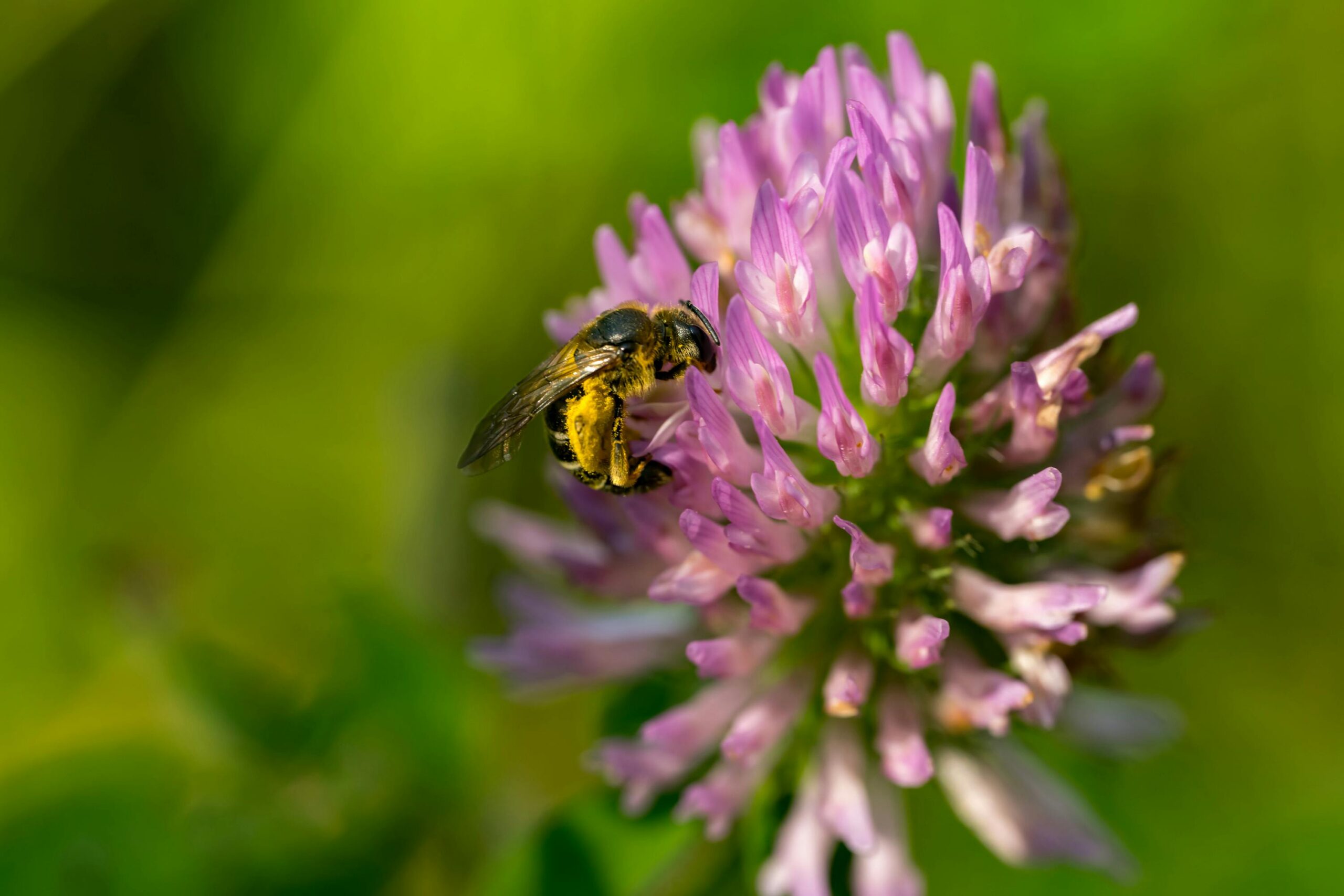
Native pollinators—including bees, butterflies, moths, beetles, and birds—are declining at alarming rates across the Northeast and North America. Scientific research consistently identifies three primary drivers:
Habitat loss, largely from lawn, pavement, and development. Pesticide and herbicide use, even at residential scales. Lack of native flowering plants needed for food and reproduction.
Some native bee species have declined by 50% or more, and iconic species such as the monarch butterfly have experienced population drops so severe they are now considered at risk.
This decline is not abstract. Pollinators are responsible for the reproduction of roughly 75% of flowering plants and more than one-third of the food crops we depend on. Without intervention, continued pollinator loss threatens food security, ecosystem stability, and the natural landscapes that define the Northeast.
Converting even small areas of lawn to native meadow or groundcover directly addresses the single greatest limiting factor pollinators face: habitat.
The Benefits of Native Meadows
Environmental Benefits
Restores habitat for native pollinators and wildlife. Improves soil health and increases carbon storage. Reduces stormwater runoff and erosion. Eliminates the need for chemical inputs.
Economic Benefits
Dramatically reduces mowing and fuel expenses. Lowers irrigation and fertilizer costs. Requires less long-term maintenance once established. Improves land value and resilience.
Climate Resilience
Native meadow plants evolved in the Northeast\’s climate. More tolerant of drought and extreme weather. Deep roots stabilize soil during heavy rainfall. Better adapted to long-term climate variability.
Ready to start your meadow project?