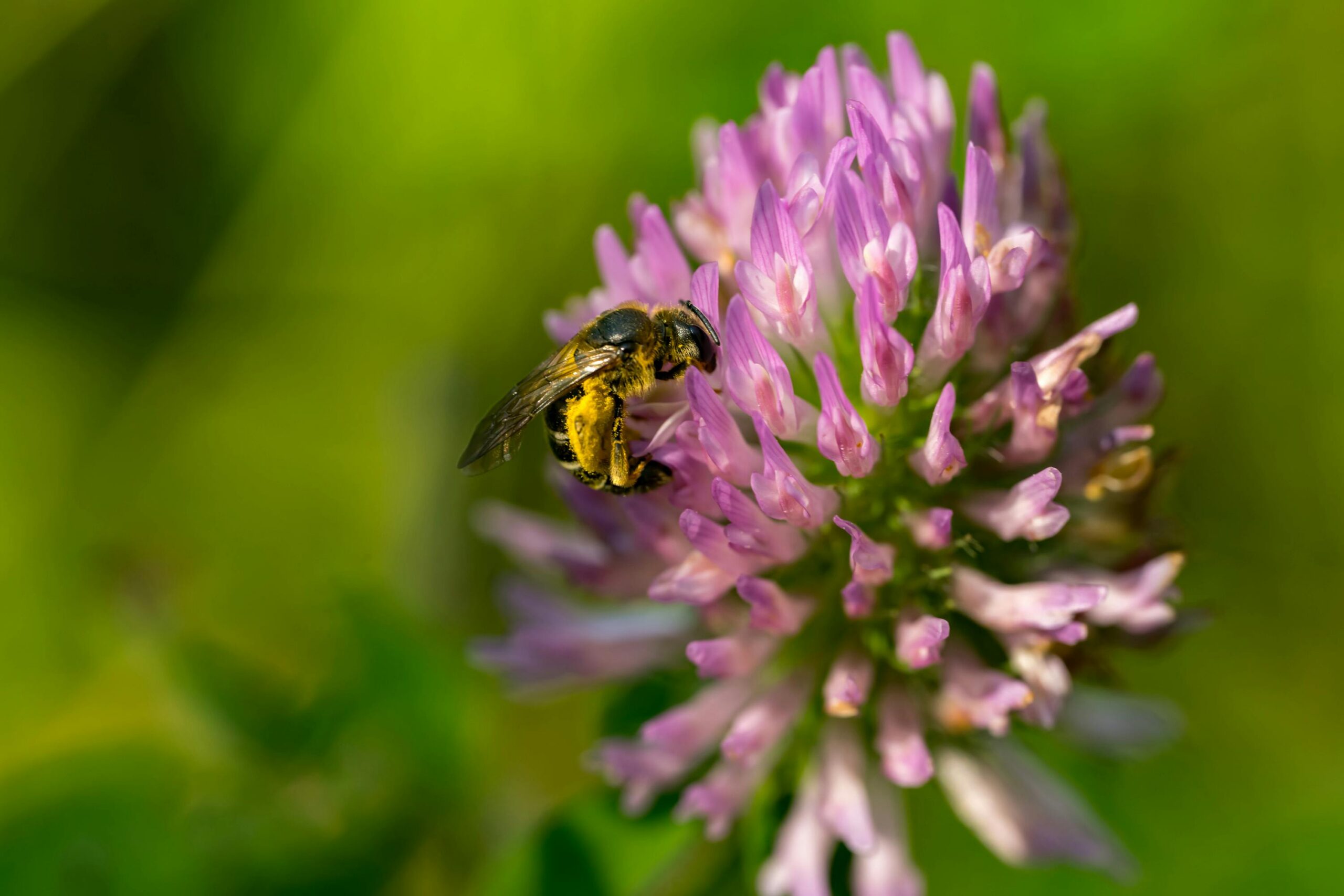
A deliberately designed plant community that thrives without constant intervention
A meadow is a deliberately designed plant community dominated by native grasses, sedges, and flowering plants (called forbs). Unlike turf lawn, a meadow is not maintained through constant mowing, fertilization, or irrigation. Instead, it is built to thrive in local soils and climate while supporting wildlife and healthy ecosystems.
Meadows can be created at almost any scale: a portion of a residential yard, a roadside or field edge, or an acre or more of unused commercial or institutional land. What defines a meadow is not its size, but its diversity, native plant composition, and ecological purpose.
What a Meadow Is Not
One of the most common misconceptions is that a meadow is simply an unmowed lawn. In reality, a true meadow is planned, intentional, and managed.
A Meadow Is NOT:
• A neglected lawn
• A patch of weeds
• A one-time planting with no follow-up care
A Meadow IS:
• Designed with site conditions in mind
• Composed primarily of regionally native species
• Managed through seasonal mowing or selective maintenance
The Building Blocks of a Native Meadow
Native Grasses
Native grasses provide the structure of a meadow. Root systems can extend 6–10 feet deep, improving soil structure and water infiltration while providing nesting and overwintering habitat for birds and insects.
Common species: little bluestem, switchgrass, Indian grass
Native Wildflowers (Forbs)
Wildflowers bring seasonal color and biodiversity. They support pollinators from early spring through late fall, provide food sources for birds and beneficial insects, and create visual interest throughout the year.
Examples: milkweed, goldenrod, coneflower, black-eyed Susan, asters
Living Groundcover
Unlike lawn, meadow plants naturally shade and protect soil. They reduce erosion and runoff, suppress invasive species once established, and build healthier, biologically active soil over time.
Ready to learn why converting to meadow makes sense?